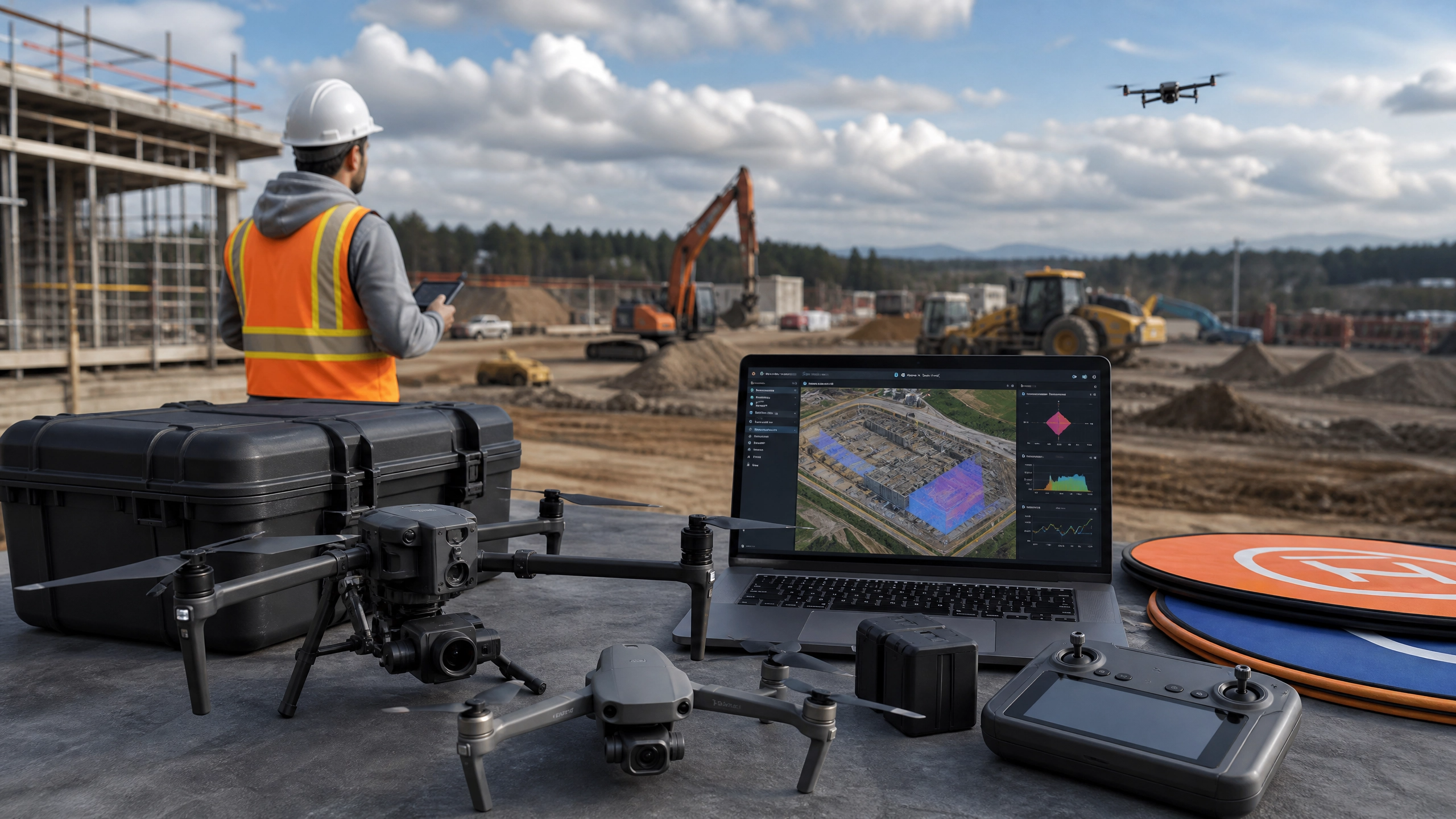
Policy gets written in Washington, but its impact is felt first in the truck, equipment case, and balance sheet of a small commercial drone operator.
Drone Brothers works with more than 350 FAA Part 107 pilots across all 50 states. Most of those pilots operate DJI aircraft—not as a political statement, but as an economic reality.
These operators built their businesses around drones that were reliable, capable, and affordable enough to help one- and two-person companies compete in a demanding commercial market.
That business environment is changing. New tariffs on imported drones are scheduled to take effect September 3, while the FCC’s Proceeding 26-189 could further restrict the future importation and marketing of certain foreign-produced unmanned aircraft systems and critical components. Existing aircraft are not being grounded, and operators can continue flying the drones they already own. The pressure begins when an aircraft is damaged, batteries reach the end of their useful life, a business needs to expand its fleet, or a team needs to add capabilities such as thermal imaging or LiDAR.
We understand the national security concerns, and we want American drone manufacturers to succeed. The United States needs a stronger domestic industry, more resilient supply chains, and meaningful competition. But policy sequencing matters. Tariffs and regulation may create space for domestic manufacturing, but they cannot produce a mature supply chain, reliable products, and competitively priced aircraft overnight.
Small commercial operators do not have procurement departments or fleet-transition budgets. They have projects scheduled for next week, employees to support, and clients depending on them to show up and deliver. If replacement aircraft become more expensive or harder to access before viable alternatives are ready, those costs will eventually reach the contractors, inspectors, owners, and public agencies that rely on commercial drone services.
We should be able to protect national security without ignoring commercial reality. In fact, responsible policy must account for both. The FCC is accepting comments through its Electronic Comment Filing System, and Drone Brothers will submit real-world information from our nationwide pilot network about how these aircraft are used and what the proposed restrictions could mean for commercial operators.
If you fly commercially, we encourage you to participate as well. Calm, informed policy must prevail—not because the security concerns are insignificant, but because the livelihoods and essential work affected by these decisions are real too.